8 Boomer Habits That Show Why Good Manners Still Matter Today
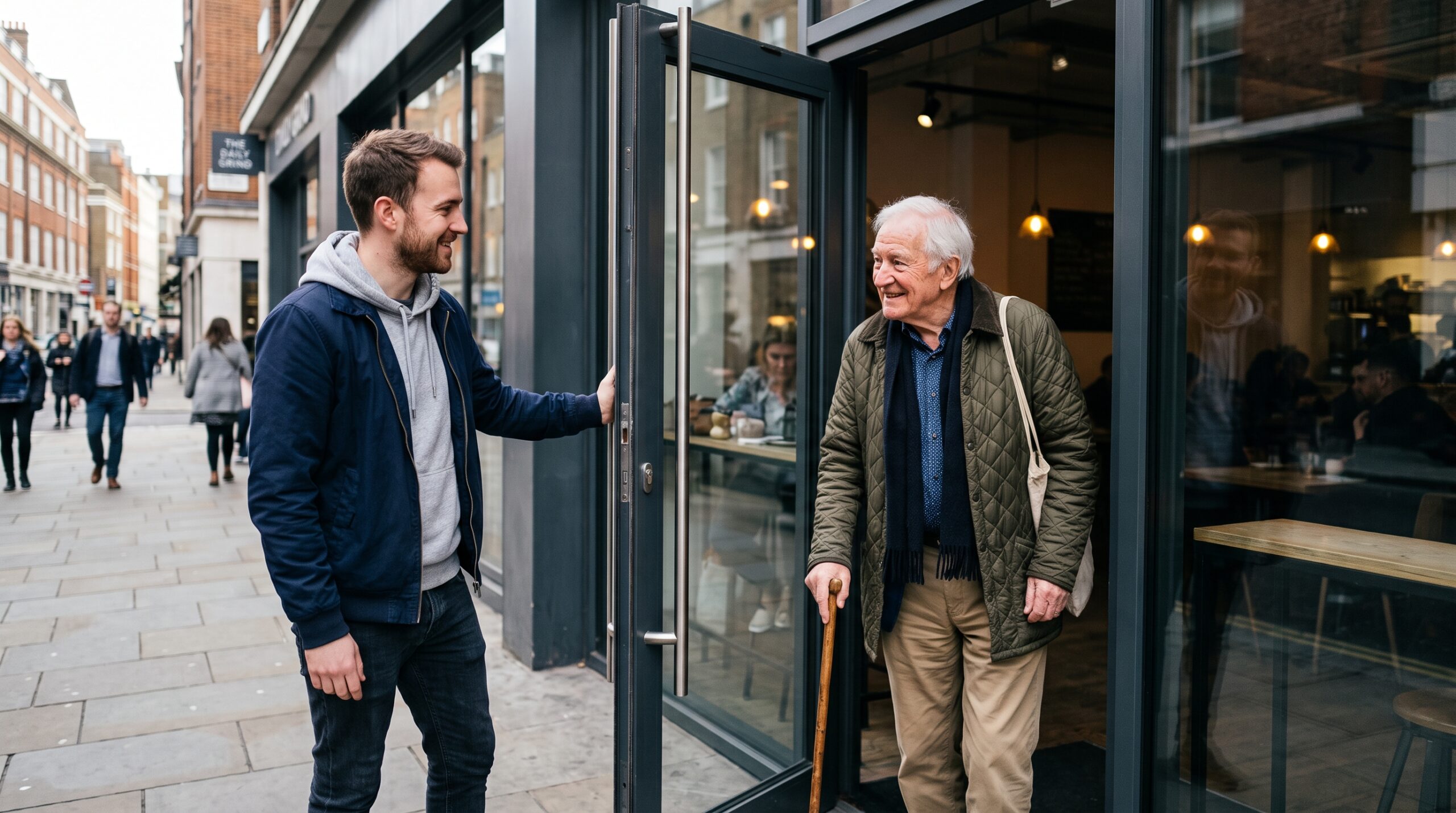
Every now and then, a simple act of kindness stands out. Someone holds the door for a stranger. A cashier gets a genuine “thank you.” A friend arrives exactly when they said they would. These aren’t grand gestures, but they leave a lasting impression.
Many of these habits were second nature to the Baby Boomer generation. They weren’t trying to make a statement or draw attention to themselves, they simply believed treating people with respect was part of everyday life.
This isn’t about claiming one generation is better than another. Every generation has its strengths. Still, there are manners many Boomers continue to practice without thinking twice, and those habits are a reminder that courtesy, respect, and consideration never go out of style. Here are eight examples worth keeping around.
1. They Say “Please” and “Thank You” Like It’s Breathing
Boomers don’t treat “please” and “thank you” like optional extras. They say them the way they blink or breathe — no overthinking, no sarcasm, just instinct.
It shows up in everyday situations: ordering food, asking for help, receiving something small. “Please” comes before the request and “thank you” comes after, without hesitation — no waiting to see if the other person “deserves” it.
Why this habit still works so well:
- It costs nothing, but delivers instant respect
- It reduces tension in conversations
- It makes people more willing to help, even subconsciously
They don’t say “thanks” like a rushed afterthought, they say it with eye contact and presence. Saying “please” doesn’t weaken authority; if anything, it strengthens it. A firm request delivered politely gets a better response almost every time.
2. They Hold Doors and Acknowledge Strangers
Boomers don’t move through the world pretending other people don’t exist. Holding doors ranks high on that list — not the dramatic, awkward hold-from-across-the-parking-lot version, just a simple pause and a nod.
They do it automatically. No checking the phone, no sighing, no acting inconvenienced. Courtesy is just normal behavior, not a favor.
Other small ways this shows up:
- A nod when passing someone
- A quick “good morning”
- Eye contact followed by a smile
These moments sound tiny, but they change the energy of public spaces and make them feel more human. Boomers grew up in a time when community mattered more, and that mindset stuck — you didn’t need to know someone to treat them decently. Kindness invites kindness back; silence tends to invite more silence.
3. They Show Up on Time and Warn People When They Won’t
Boomers treat time like a shared resource. Showing up on time feels non-negotiable — not “on time-ish,” not “fashionably late,” just on time.
When something goes wrong, they don’t ghost. They call or message ahead and explain what’s happening.
What this looks like in real life:
- Leaving early to avoid traffic
- Calling if they’re running late
- Apologizing without excuses
Lateness isn’t treated as a personality trait, it’s treated as a responsibility issue. When a Boomer says they’ll be somewhere at 10, expect them at 9:55. When plans change, you hear about it. That habit sends one clear message: your time matters to me.
4. They Write Things Down and Follow Through
Boomers trust pen and paper more than promises floating in the air, they write things down, and then they actually do them.
Notebooks, calendars, sticky notes, planners, not because they can’t remember things, but because they respect commitments. Writing something down makes it real. Following through makes it meaningful.
This shows up in simple ways:
- Returning calls when they say they will
- Completing tasks without reminders
- Honoring agreements even when it’s inconvenient
This builds credibility over time. When you say you’ll do something and don’t, people notice. When you quietly follow through, people remember. Good manners include reliability, and Boomers understand that deeply.
5. They Respect Service Workers and Don’t Treat Them Like Furniture
Boomers don’t talk down to service workers, ignore them, or treat them like background props. They make eye contact, say hello, say thank you, and show patience.


What respect looks like in action:
- Using polite language
- Waiting their turn
- Understanding that mistakes happen
Many Boomers worked service jobs themselves at some point, and they remember what it feels like to be on the other side of the counter. That memory shapes the behavior — no snapping fingers, no raised voices, no entitlement. Respect isn’t about hierarchy. It’s about humanity.
6. They Don’t Make Everything Public, Especially Complaints
Boomers don’t broadcast every frustration or turn every annoyance into a public announcement. When something goes wrong, they handle it quietly and directly — they speak to the right person, explain the issue calmly, and look for a solution instead of an audience.
This approach includes:
- Handling complaints one-on-one
- Avoiding unnecessary drama
- Keeping personal matters private
Public shaming rarely fixes problems; private conversations often do. Boomers understand boundaries and know some things belong offline. They don’t confuse attention with resolution — they focus on outcomes, which feels almost radical in a world where everything gets shared instantly.
7. They Listen Without Interrupting
Boomers treat a conversation like it actually belongs to both people. They let a sentence finish before responding, and they don’t spend someone else’s turn to talk rehearsing what they’re going to say next.
That kind of attention is rarer than it should be. Full eye contact, a nod instead of a interjection, a pause before responding — small signals that say “I’m actually here.”
What this looks like:
- Letting people finish their thought
- Asking a follow-up instead of redirecting to themselves
- Putting the phone down mid-conversation
Interrupting isn’t just rude — it quietly tells someone their point mattered less than yours. Boomers who do this well make people feel heard, and that’s a manner most conversations are missing today.
8. They Teach Kids to Greet Adults Properly and Look People in the Eye
Boomers take teaching manners seriously, especially with kids — they don’t assume kids will “figure it out later.”
They teach kids to greet adults, shake hands, say hello, and make eye contact — not aggressively, just respectfully. A gentle correction when a greeting gets skipped, not a scolding, just guidance.
Boomers emphasize:
- Saying hello when entering a room
- Answering questions clearly
- Making eye contact while listening
These skills carry into school, work, and life well beyond childhood. Good manners don’t limit kids — they prepare them.
Conclusion
Boomers don’t practice good manners for attention. They do it because it feels right, and that’s what makes it powerful.
From saying “please” automatically to respecting time, privacy, and people, these habits prove one simple truth: good manners never go out of style. They adapt. They endure. They matter.
You don’t need to be a Boomer to practice these habits — you just need to care a little more about how your actions land on others. Pick one this week. Hold a door. Show up early. Say thank you like you mean it. Small actions still shape big impressions.