10 Boomer Habits That Feel Surprisingly Out of Place Today
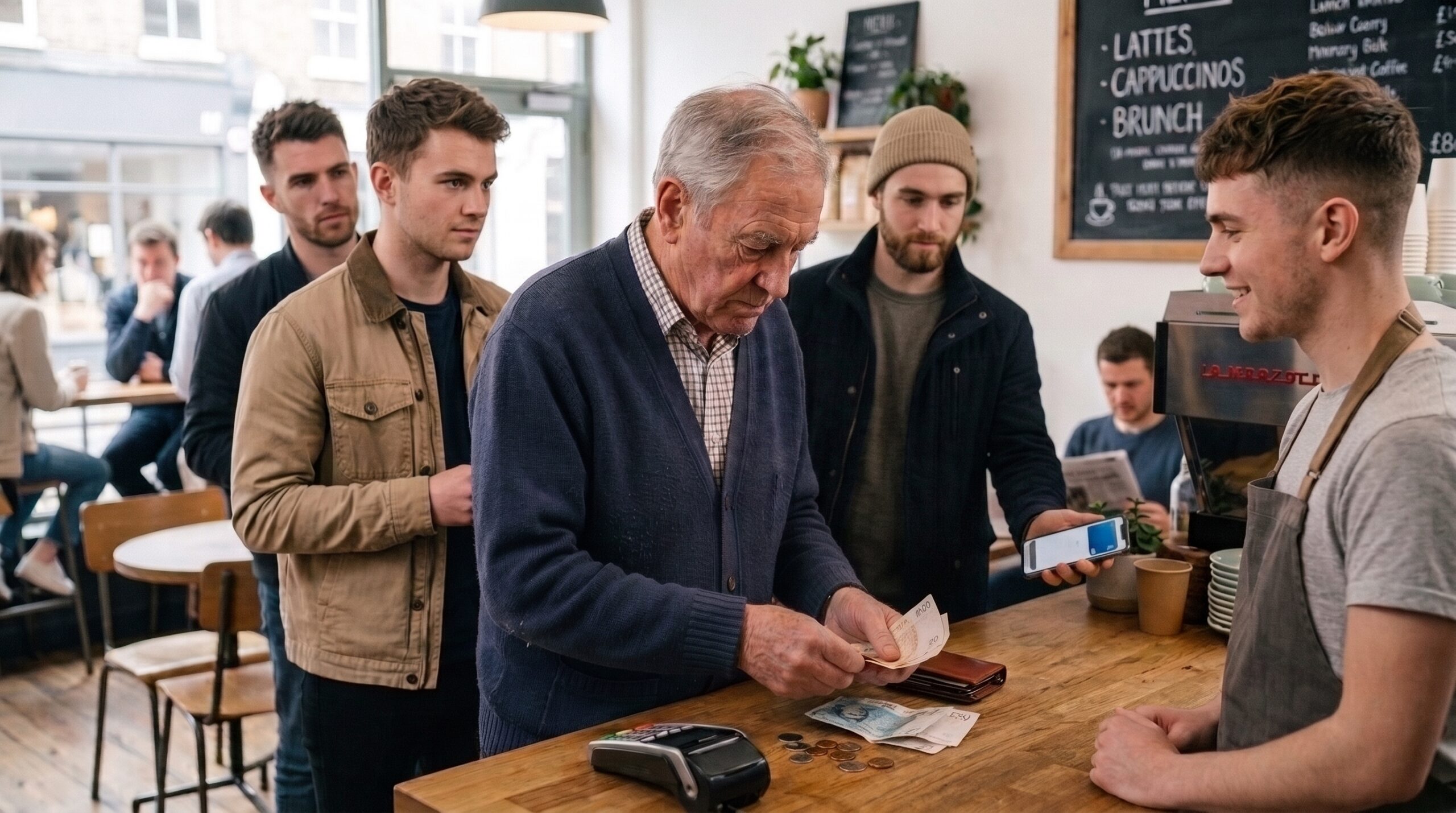
Some habits make perfect sense when you know where they came from. The interesting part is how differently those same habits get read today.
Many Boomers grew up in a world that worked very differently from the one we live in now. The way people communicated, handled technology, interacted with neighbors, and approached everyday situations was shaped by a completely different set of expectations.
As times change, some of those once-normal behaviors start to feel a little unusual to younger generations. They’re not necessarily wrong or outdated, they can just feel out of step with modern life.
Here are 10 habits many Boomers still have, why they developed in the first place, and why they occasionally create friction today.
1. Calling Every Site “Google”
“I saw it on Google” has been said about Facebook, YouTube, and random websites more times than anyone can count.
This comes from Google becoming shorthand for the internet itself. Back when the web felt massive and confusing, Google acted like the front door — and that mental shortcut stuck.
Today, though, platforms matter. A TikTok clip, a Reddit thread, and a medical website don’t carry the same weight, even if Google helped you find all three.
Calling every site “Google”:
- Blurs source credibility
- Makes fact-checking harder
- Frustrates people who rely on platform context
Younger users naturally separate sources — was that a news outlet or a comment section? That distinction feels critical now. This habit isn’t a sign of ignorance so much as a sign of how fast the internet evolved. It just makes conversations feel a little vague.
2. Leaving Voicemails for Quick Updates
Voicemail feels polite and thoughtful to a lot of Boomers — you speak clearly, explain yourself fully, and avoid confusion. Fair enough. But in today’s communication culture, voicemail feels heavy.
If the message is just “running five minutes late,” a voicemail adds friction. Someone has to stop, open their phone, listen, and process. A text does the same job instantly.
Why this feels out of step now:
- It interrupts instead of informs
- It requires more effort to access
- It slows down fast decisions
Most people reserve voicemail for emergencies, legal matters, or emotional conversations. Leaving one for an everyday update can feel unintentionally demandin, plenty of younger people ignore voicemail entirely unless the notification looks urgent. Neither approach is wrong; they just clash.
3. Writing Texts Like Formal Emails
“Hello. I hope you are doing well. Please let me know your availability. Kind regards.” Full sentences, proper punctuation, a polite sign-off, the whole package.
That style comes from decades of professional communication norms, where writing carefully once meant respect. In casual spaces today, it can feel stiff or overly serious.
Texting now favors:
- Short bursts
- Casual tone
- Quick back-and-forth
A formally written text can make the reader assume something serious is happening, or that the sender is upset — even when the message itself is perfectly kind. Politeness hasn’t disappeared; the context just changed. Texting mirrors spoken conversation now more than written letters.



4. Asking for “The App” for Every Website
“Do they have an app for that?” “Where’s the app?” “I need to download the app.”
Boomers learned tech during the app explosion, when apps felt safer, clearer, and more official than websites. Today, apps often just create storage clutter, notification overload, and unnecessary logins.
Modern users tend to prefer mobile sites unless an app offers something specific, banking, navigation, and editing tools make sense as apps; reading an article doesn’t always need one. Web design has improved dramatically since then: mobile sites load fast, save preferences, and run smoothly. Apps aren’t automatically better anymore. They’re just different.
5. Sharing Headlines Without Checking the Source
This one causes real tension. Boomers often share headlines at face value because headlines used to come from trusted gatekeepers, newspapers, TV stations, publishers who filtered information carefully.
Now, anyone can write a headline. Sharing without checking:
- Spreads misinformation
- Sparks unnecessary fear
- Damages trust
Younger users grow up asking who posted this, why now, and what the incentive is. When a headline gets shared at face value, it can feel careless — even when the intent is to help or warn someone. The internet changed faster than trust habits did, and that mismatch shows up loudest right here.
6. Using “Call Me” as the Default Plan
Phone calls once meant clarity — no misunderstandings, no tone confusion, one conversation and it’s solved. That’s part of why Boomers reach for them by default.
Today, many people experience calls as intrusive, time-consuming, or emotionally draining. Texts allow flexibility — answer when you’re ready. Calls demand immediate attention.
Defaulting to a call can feel like pressure rather than connection, especially for people juggling work, social life, and mental energy across a dozen digital channels at once. Calls still matter — just not for everything.
7. Posting Personal Details in Public Comments
Comment sections often get treated like a conversation rather than a permanent record — phone numbers, addresses, family details, and travel plans end up posted in the open.
That habit comes from offline thinking: say something out loud, and it disappears. Online, it doesn’t. Younger users instinctively protect personal data because they understand how quickly information spreads and gets misused.
Posting personal details publicly now reads as risky rather than friendly — a shift that happened quietly, and one plenty of people never got the memo on.
8. Treating Office Hours Like a Fixed Rule
Office hours once defined professionalism — 9 to 5 meant availability, and outside that window, work stopped.
Today’s work culture bends around remote teams, flexible schedules, and global collaboration. Treating office hours as rigid can feel outdated now, because people increasingly work in bursts rather than blocks. The work still gets done — just differently than it used to.
9. Commenting on Bodies as Small Talk
This one gets uncomfortable fast: “You’ve gained weight.” “You look tired.” “You look so thin now.”
These comments often register as neutral observations to Boomers — body talk used to count as casual conversation. Today, people understand how deeply body comments affect self-image and mental health, and silence often shows more respect than an offhand remark.
Intent doesn’t erase impact. That’s exactly why this habit feels especially out of step now.
10. Treating Mental Health as a Private Topic Only
Boomers grew up when privacy equaled strength — you handled issues quietly, on your own.
Now, openness tends to reduce stigma. People talk about anxiety, burnout, and therapy more openly than ever, and avoiding those conversations can come across as dismissive, even when it’s meant respectfully. Younger generations generally value shared understanding over silent endurance.
Final Thoughts
These habits don’t make Boomers wrong. They make them human.
Every generation carries behaviors shaped by its world, and the friction shows up when that world changes faster than the habits can keep up. Noticing these little mismatches helps everyone communicate better — with more patience, clarity, and humor.
Next time one of these moments pops up, pause before judging. Chances are, it’s just history bumping into modern life.